
Which Country Offers the Best African Safari?
If you're planning a bucket-list African safari, choosing where to go can feel overwhelming. Fortunately, there's a reliable source to help cut through the noise. Every year, SafariBookings — the largest online marketplace for African safaris — conducts the most comprehensive survey of its kind to rank the best safari destinations on the continent. In 2025, over 3,100 reviews were analysed from both first-time visitors and seasoned safari-goers, along with insights from respected guidebook authors and industry experts.
Botswana claimed the top spot yet again, followed closely by Tanzania, Kenya, Zimbabwe and South Africa. These five countries consistently stand out for their iconic landscapes, incredible wildlife, and unforgettable safari experiences — each offering something truly unique.
At Wild Wings Safaris, we've planned custom safaris to all of these destinations. Here's what we love about each one — and what you need to know before you go.
Botswana – For Low-Density, High-Impact Wilderness

Famous Chobe elephants
Botswana is a safari purist's dream. Known for its exclusive, low-impact approach to tourism, Botswana offers remote wilderness, limited crowds and exceptional wildlife. Safaris here feel wild, raw and deeply immersive — a true escape into Africa's untouched backcountry. What sets Botswana apart is its remarkable diversity of safari experiences. In the north, the Okavango Delta and Chobe River offer some of the best boat-based game viewing in the world. Imagine drifting silently past a herd of elephants drinking just metres away, or floating through reed-fringed channels in a mokoro, guided by a local poler. These quiet water safaris bring you eye-level with hippos, herons, kingfishers and other iconic Delta species. Botswana is also one of Africa's premier birding destinations, especially during the wet season when migrant species arrive in their thousands.
- Africa's largest elephant population, especially in Chobe National Park
- Predators galore: lions, leopards, cheetahs and wild dogs
- Big Five sightings in Moremi and the Okavango
- Secret seasonal zebra migrations in the Kalahari and Makgadikgadi
- The Okavango Delta: a watery maze best explored by mokoro (dugout canoe)
- Chobe River: epic boat safaris with close-up elephant and hippo sightings
- Kalahari Desert: home to black-maned lions and ancient San rock art
- Savuti: known for dramatic predator-prey encounters and elephant herds
- Makgadikgadi Salt Pans: surreal open spaces, meerkats and flamingo colonies
- Mashatu Game Reserve: a private wilderness in the remote eastern corner, known for predator sightings, excellent photographic hides, and off-the-beaten-path adventure
Botswana prioritises conservation over mass tourism, so prices tend to be high — but the payoff is incredible solitude and top-tier guiding. Many safari camps are located in remote areas and can only be reached by light aircraft, which adds to the cost. Safaris are typically priced in US dollars, and most are fully inclusive of game drives, meals and park fees. If you're looking for an exclusive, crowd-free safari in pristine wilderness, Botswana is hard to beat.
Tanzania – For Epic Safaris and Wildlife in Numbers

Serengeti cheetah
Tanzania is a top choice for first-time safari-goers and wildlife enthusiasts alike. Its Northern Circuit offers iconic safari moments on a grand scale — from the Great Migration to the Ngorongoro Crater. Located in East Africa, Tanzania is one of the top safari destinations on the continent, offering both quantity and quality when it comes to wildlife. The vast Serengeti National Park is the setting for the annual Great Migration — a breathtaking spectacle involving over two million wildebeest, zebra and predators in tow. Equally unforgettable is the Ngorongoro Crater, a UNESCO-listed caldera teeming with game in a spectacular setting. Tanzania also offers variety: combine a classic northern safari with a tropical beach holiday on Zanzibar, or head south for a more off-the-beaten-path experience. The southern parks, including Nyerere (formerly Selous) and Ruaha National Parks, are wild, remote and relatively untouched, making them perfect for experienced safari-goers looking to escape the crowds.
- The Great Migration across the Serengeti (best from July to October)
- Ngorongoro Crater's dense population of predators and prey
- Tree-climbing lions in Lake Manyara
- Chimpanzee trekking in Mahale and Gombe
- Serengeti's endless savannahs and predator action
- Ngorongoro: the world's largest intact volcanic caldera
- Baobab-studded Ruaha and Selous (now Nyerere NP) in the south
- Mount Kilimanjaro and the beaches of Zanzibar
Tanzania is vast and divided into three distinct safari circuits: Northern, Southern and Western.
- The Northern Circuit — home to Serengeti, Ngorongoro, Lake Manyara and Tarangire — is the most popular, well-developed and easy to access, with plenty of lodge options and regular flights into Kilimanjaro or Arusha. It's ideal for first-time visitors and those wanting to witness the Great Migration.
- The Southern Circuit, which includes Nyerere (formerly Selous) and Ruaha National Parks, offers a wilder, more remote experience with fewer crowds and exceptional game viewing — particularly for elephants, lions and wild dogs.
- The Western Circuit, anchored by Katavi and the chimpanzee strongholds of Mahale Mountains and Gombe, is even more remote and best suited to adventurous travellers looking for something different.
Safaris in Tanzania are typically guided, lodge-based or mobile, and priced in US dollars. Charter flights between camps are common, especially in the south and west. Due to its size, distances between parks can be long, so a fly-in safari is often the most efficient way to explore. It's a good idea to plan your itinerary carefully around the seasons and migration patterns — and to book well in advance for peak months like July to October.
Kenya – For Classic Big Five Safaris and Cultural Encounters

King of the Masai Mara
Kenya is the original safari destination and still one of the best. With its vast savannahs, rich cultural traditions and diverse ecosystems, Kenya delivers that classic Out of Africa experience many travellers dream about. The legendary Masai Mara, with its seasonal Great Migration, offers some of the most dramatic wildlife encounters on the planet. Kenya is one of the best countries in Africa to see the Big Five — and possibly all in a single day. From the Great Rift Valley's flamingo-filled lakes to the elephant-rich plains of Amboseli with Mount Kilimanjaro as a backdrop, Kenya's safari landscapes are iconic. Add to that its well-established tourism infrastructure and wide range of safari lodges, and you have a destination that suits both first-timers and seasoned safari-goers alike. For an extra layer of adventure, Kenya's lesser-known parks, such as Samburu and Meru, offer unique wildlife and fewer crowds.
- The Masai Mara's section of the Great Migration (Jul–Oct)
- Excellent Big Five sightings, especially lions, elephants and rhinos
- Flamingo-filled Rift Valley lakes, including Nakuru and Bogoria
- Rhino strongholds in Laikipia and Ol Pejeta Conservancy
- Giza, the world-famous black leopard of Laikipia, and other rare melanistic leopards occasionally seen in this region
- Samburu's rare "northern five": Grevy's zebra, reticulated giraffe, beisa oryx, gerenuk and Somali ostrich
- The golden savannahs of the Masai Mara, home to the Great Migration and iconic Big Five
- Amboseli National Park, famed for close-up elephant encounters with Mt Kilimanjaro as a backdrop
- Flamingo-covered Lake Nakuru and nearby Lake Naivasha, rich in birdlife and photogenic landscapes
- Laikipia Plateau, a conservation success story with rhino sanctuaries and rare black leopard sightings
- Tsavo East National Park, known for its vast herds of elephants, buffalo and classic wide-open plains
- Mount Kenya, Africa's second-highest mountain, offering hiking and stunning scenery
- Kenya's Swahili Coast, where safari meets Indian Ocean beaches and centuries-old cultural heritage
Kenya's safari industry is well developed, with excellent infrastructure, experienced guides and a wide range of safari styles — from luxury lodges to mobile tented camps. However, some parks, especially the Masai Mara, can feel overcrowded during peak Great Migration months (July to October). For a more peaceful experience and better value, consider travelling during the shoulder seasons.
But what is the Masai Mara like outside of migration season? It's still absolutely worth visiting. The Mara has abundant resident wildlife year-round — including lions, cheetahs and elephants — and fewer vehicles means quieter sightings and dramatic skies after the short rains. Read more in our blog: The Masai Mara — Is it worth visiting outside of migration season?
Distances between parks can be long, so most safaris include scheduled flights between major hubs like Nairobi, the Mara, Laikipia and Amboseli. Safaris are typically priced in US dollars, and some lodges are seasonal — so it's a good idea to book early and check park conditions if travelling during the wet season (March to May).
Zimbabwe – For Walking Safaris and Victoria Falls

Walking safari experience in Zimbabwe
Zimbabwe is one of southern Africa's most underrated safari gems. This landlocked country offers spectacular wildlife, epic landscapes and some of the best safari guiding on the continent. What makes Zimbabwe truly stand out is its combination of excellent Big Five viewing with low visitor numbers — particularly in parks like Hwange and Mana Pools. Victoria Falls, one of the Seven Natural Wonders of the World, is a must-see and a natural gateway to safari adventures. Zimbabwe is also known for its exceptional walking safaris, especially in Mana Pools and Gonarezhou, where travellers can get close to nature on foot. The country has a proud conservation history and a wealth of lesser-visited national parks like Matusadona and Matobo Hills. Despite its political history, Zimbabwe remains safe and welcoming for visitors — with world-class guides, uncrowded parks, and superb wildlife viewing that rivals better-known destinations.
- Dense elephant populations in Hwange National Park
- Canoe safaris and predator action in remote Mana Pools
- Big Five in accessible and uncrowded parks
- Rare species like wild dogs and sable antelope
- Victoria Falls: breathtaking views and adrenaline activities
- Zambezi River: perfect for canoe and fishing safaris
- Ancient ruins at Great Zimbabwe
- Remote gems like Gonarezhou and Matusadona
- Lake Kariba: vast floodplains with eerie mopane tree skeletons dotting the shores
Zimbabwe's tourism is rebounding, and visitor numbers are still relatively low — meaning fewer crowds and more intimate wildlife sightings. English is widely spoken, and the guides here are among Africa's finest. We recently returned from a week in Zimbabwe to mark Wild Wings Safaris' 20th anniversary — and to reconnect with what first inspired us: the joy of discovery, learning, and sharing Africa's hidden gems. From the misty magic of Victoria Falls to golden sunsets in Hwange, Zimbabwe delivered unforgettable moments without the crowds. It reminded us why this country, still under the radar for many, is one of Africa's most rewarding safari destinations.
South Africa – For Big Five Viewing and Easy Travel

Leopard sighting from one of our Kruger Park safaris
South Africa is ideal for safari beginners and seasoned travellers alike. It combines excellent wildlife viewing with world-class infrastructure, easy logistics, and a wide range of options for every budget. The country's diversity means you can pair a safari with city breaks, beaches, mountains and wine country — all in one trip.
It's also one of the best-value safari destinations in Africa. Safaris are priced in South African Rand (ZAR), and it's one of the few places where you can enjoy genuine luxury without breaking the bank.
- Big Five sightings in Kruger and private reserves like Sabi Sand
- Leopard sightings are particularly strong in Sabi Sand
- Cape Mountain zebra, black wildebeest, meerkats in the Karoo
- Rhino-focused reserves in KwaZulu-Natal
- Kruger National Park: massive and convenient to reach
- Drakensberg Mountains and the Panorama Route
- Cape Town and the Garden Route
- Marine Big Five viewing: whales, sharks, seals, dolphins, penguins
South Africa is one of the few safari destinations with malaria-free game reserves, making it a popular choice for families, first-time safari-goers and seniors. Top malaria-free options include:
- Greater Addo region in the Eastern Cape, home to Addo Elephant National Park and nearby private game reserves — perfect for spotting elephants, lions and other Big Five species in a compact, easy-to-navigate area.
- Tswalu Kalahari Reserve in the Northern Cape, one of Africa's largest private reserves, offering exclusive access, unique desert-adapted wildlife and rare sightings like pangolin and aardvark.
- Madikwe Game Reserve, near the Botswana border, is Big Five territory and known for its strong populations of wild dog and rhino — all within a malaria-free zone.
International flights frequently arrive in Cape Town or Johannesburg, both excellent starting points for a combined trip. Spend a couple of days exploring Cape Town's beaches, winelands and Table Mountain, or fly to Kruger National Park for a classic 3-day Big Five safari with easy access from Johannesburg. Many travellers pair a South Africa safari with a visit to Victoria Falls — a popular multi-country itinerary that's easy to arrange thanks to good regional flight connections.
Final Word: Which Safari Country Is Best?
The best safari country really depends on what kind of experience you're after.
- Want raw wilderness and exclusivity? Go to Botswana.
- Dreaming of endless plains and epic wildlife numbers? Choose Tanzania.
- Looking for variety, culture, and classic Big Five game viewing? Pick Kenya.
- Love the idea of walking safaris and fewer tourists? Try Zimbabwe.
- Prefer flexibility, comfort and a mix of safari and other travel experiences? South Africa is your best bet.
Still not sure? Contact us for expert advice and a tailor-made safari quote — no pressure, no booking obligation.
You may also want to look at

East Africa vs. Southern Africa – Which Safari Destination is Better?
For many, going on an African safari is a once-in-a-lifetime adventure, but choosing between East Africa and Southern Africa can be a daunting task. What are the main differences between a safari in East Africa and Southern Africa, and how do you decide which is the right safari destination for you?
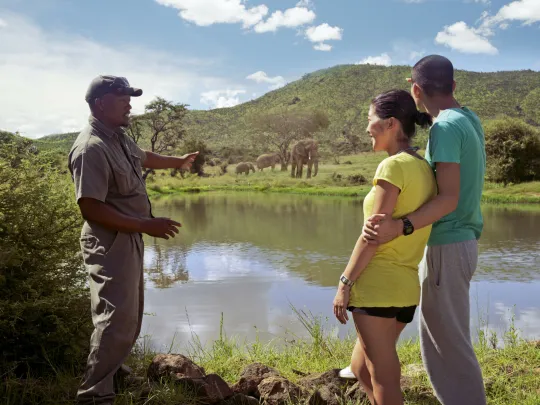
How to Choose the Best Safari Destination - Part 1
Choosing a good safari destination is key to ensuring a great safari experience. But where do you start? With so many different safari destinations to choose from, how do you choose the right one for your safari? This is part 1 of a 2-part series.
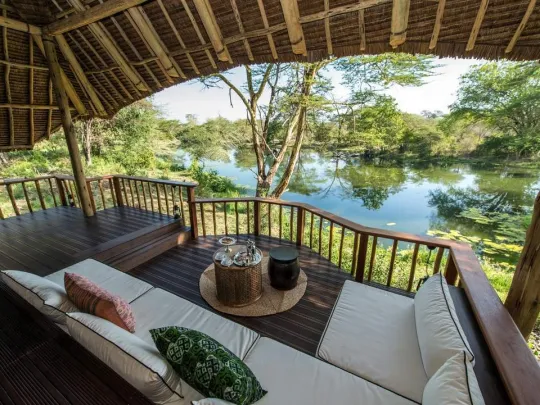
How to Choose the Best Safari Destination - Part 2
In part one of this two-part series, we looked at selecting the best destination or game reserve for your safari. In part two, we will look at how to choose the best lodge or camp for your safari. Grab a coffee and enjoy the read!
About the author

Dianne Kokkonidis was born in Johannesburg, grew up in the Transkei and spent years exploring Europe. She returned to South Africa to live on a farm in the Outeniqua Mountains when the call of Africa got too loud to ignore. She comes from a family of storytellers, so it's no surprise she's now found her way into writing about one of the oldest stories known to mankind - the lure of Africa.


