
Which Region of Kruger is Best for Safari? A Guide to the Park's Four Regions
Kruger National Park is vast; nearly 20,000 km² of pristine wilderness. But not all areas of the park are the same. From the game-rich grasslands of the south to the remote riverine forests up north, each region offers a unique safari experience. So, which part of Kruger is best for game viewing? And which area is right for you?
Kruger National Park Regions: Which Area Is Best for Safari?
Whether you're after Big Five sightings, fewer crowds, or off-the-beaten-track birding, this guide breaks down the four main Kruger regions — Southern, Central, Northern and Far Northern — to help you decide where to go.
Far Northern Kruger: Remote Wilderness and Rare Species

A taste of the landscape in the far northern reaches of Kruger National Park
- Best for: Serious birders, experienced safari-goers, and those seeking solitude
- Main camps: Punda Maria, Pafuri (luxury concession area)
- Landscape: Fever tree forests, baobabs, riverine bush, rugged ridges
- Wildlife highlights: Rare antelope species, Pel’s fishing owl, elephant bulls
- Accessibility: Remote and far from main gates and airports
- Safari style: Best explored via fly-in safaris, expert-led tours or concessions

On safari in Makuleke Contractual Park
The Far North of Kruger, stretching from the Luvuvhu River to the Limpopo River, is the park's most remote and least-visited region. It's a place of striking contrasts and ecological diversity — ancient baobab trees, lush riverine forests, and rocky ridges dominate the landscape. This region feels wilder, quieter, and less touched by tourism.
Game viewing here is more subtle. You won't find the big herds or predator concentrations common in the south, but sightings are often more rewarding for seasoned safari-goers. Elephant bulls roam the area, and rare antelope like nyala and eland are sometimes seen. For birders, the Pafuri region is legendary — home to species not found elsewhere in Kruger, including Pel's fishing owl, racket-tailed rollers, and Narina trogon.
Accommodation is limited to Punda Maria Rest Camp or luxury concessions like The Outpost and Return Africa's Pafuri Camp. Because of its distance from Skukuza and the main southern gates, the Far North is best accessed by air or as part of a longer, guided itinerary.
- Weather & Access – Northern Kruger's remote airstrips can sometimes close during heavy rains, making access less predictable compared to the south.
- For Seasoned Safari-Goers – If you've already ticked off multiple Big Five sightings and want an off-the-beaten-path experience, Northern Kruger offers striking, untamed landscapes and fewer visitors.
- For First-Timers – Southern Kruger is generally the better choice for a first safari, with a higher density of wildlife and more reliable Big Five sightings.
Northern Kruger: Baobabs, Birds, and Fewer Crowds

Buffalo sighting
- Best for: Birdwatchers, repeat visitors, and those seeking tranquillity
- Main camps: Shingwedzi, Sirheni (satellite), Bateleur (bushveld)
- Landscape: Mopane woodland, baobab-studded hills, seasonal rivers
- Wildlife highlights: Elephants, buffalo, leopard, large bird diversity
- Accessibility: Easier than the Far North, but still far from southern gates
- Safari style: Self-drive or guided safaris with a focus on nature over numbers

Martial eagle
The Northern region of Kruger, roughly from the Tropic of Capricorn to the Luvuvhu River, is quieter and more sparsely populated than the south. Mopane trees dominate the landscape, interspersed with dramatic hills and iconic baobabs, especially near Letaba and Shingwedzi. The terrain may seem monotonous at first glance, but it offers rich rewards for those with patience and curiosity.
This is elephant country, with large herds often spotted along river systems, especially during the dry season. Buffalo are common, and leopards are frequently seen around Shingwedzi. The region is also one of Kruger's best birding areas — especially in summer — with species like the saddle-billed stork, martial eagle, and eastern nicator making regular appearances.
While predator densities are lower than in the south, sightings can still be excellent, especially with the help of a good guide. Fewer vehicles mean more time at sightings and a sense of true wilderness. Accommodation includes traditional rest camps like Shingwedzi and more intimate bushveld camps like Sirheni and Bateleur.
Central Kruger: Big Cats and Classic Savannah

Cental Kruger lions
- Best for: First-timers, photographers, predator lovers
- Main camps: Satara, Letaba, Olifants, Tamboti (tented), and surrounding bushveld camps
- Landscape: Open savannah, mixed woodland, grassland plains
- Wildlife highlights: Lions, cheetahs, hyenas, large herds of zebra and wildebeest
- Accessibility: Easily reached from the main southern gates and Skukuza
- Safari style: Excellent for both self-drives and guided safaris

Classic Central Kruger landscape
Central Kruger, from the Olifants River down to the Sabie River, is the park's lion heart. With its expansive grasslands and sweetveld grazing, this area supports high densities of plains game, which in turn attracts predators. It's one of the best regions in Kruger for spotting lions, cheetahs, and hyenas, often in dramatic hunting scenarios on the open plains.
The terrain here is classic African savannah: golden grasses, scattered acacias, and wide horizons. It's especially photogenic in the golden light of early morning and late afternoon — ideal for keen photographers.
Satara is the main hub of this region and has a reputation as the "cat camp" thanks to frequent predator sightings nearby. The surrounding bushveld camps like Talamati and Tamboti offer quieter stays with easy access to prime game viewing routes. Letaba and Olifants to the north also offer scenic river views and are known for large elephant bulls and crocodile sightings along the riverbanks.
Central Kruger strikes a good balance between reliable wildlife sightings, accessible infrastructure, and a more relaxed pace than the busy south. It's a favourite for both return visitors and first-time safari-goers.
Southern Kruger: Wildlife Hotspot and Safari Favourite

Leopard sighting from one of our safaris in Southern Kruger
- Best for: First-timers, families, photographers, and anyone wanting excellent game viewing
- Main camps: Skukuza, Lower Sabie, Berg-en-Dal, Pretoriuskop
- Landscape: Riverine forest, thornveld, open savannah, granite koppies
- Wildlife highlights: Big Five, wild dogs, rhinos, leopards, large predator and prey numbers
- Accessibility: Easiest to reach from Johannesburg and Nelspruit (Mbombela)
- Safari style: Ideal for guided safaris, first-time visits, or shorter stays

African wild dog spotted on safari in Souther Kruger
The Southern region of Kruger, from the Crocodile River to the Sabie River, is by far the most popular, and with good reason. This area consistently delivers some of the best wildlife sightings in the park. It boasts the highest concentration of animals, including all of the Big Five.
Thanks to the permanent water sources of the Sabie, Sand, and Crocodile Rivers, wildlife is plentiful year-round. It's one of the best places in Africa to see leopards, and wild dogs are spotted more often here than anywhere else in the park. Birdlife is also prolific, especially along the riverbanks.
Southern Kruger is easily accessible from major airports and gates, like Paul Kruger, Numbi, and Crocodile Bridge. Skukuza, the park's largest camp, is well-equipped and acts as a hub for both independent travellers and guided safaris. Other camps like Lower Sabie and Berg-en-Dal are favourites for their excellent locations and scenic views.
While this region sees more vehicles than the remote north, a good guide will help you avoid the busiest routes and maximise your sightings. That's one of the reasons Wild Wings Safaris bases most of its guided Kruger safaris here — more action, less travel time, and the best chance of ticking off your safari wishlist.
If you'd like to experience more than one region of Kruger, our 5 Day Best of Kruger Safari is ideal. This itinerary combines time in the Southern Kruger (famous for its high wildlife density) with a stay in the Central Kruger, depending on lodge availability. You'll get the best of both worlds—different landscapes, varied habitats, and a broader mix of wildlife. From lion prides and elephant herds in the south to wide-open savannas and cheetah country in the central region, this safari maximises your chances of unforgettable sightings.
Kruger National Park Region Comparison Table

Kruger National Park Region Comparison Table
Why Wild Wings Safaris Prefers Southern Kruger for Guided Safaris

On safari in Southern Kruger with Wild Wings Safaris
Southern Kruger offers the ideal conditions for a successful, hassle-free guided safari. It's the most accessible region of the park (just a few hours' drive from Johannesburg or a short hop from Skukuza Airport), which means less travel time and more time on safari.
But it's not just about convenience. The wildlife viewing here is unmatched. High densities of both predators and prey make sightings more frequent and action-packed. Whether it's a pride of lions stalking buffalo near Lower Sabie or a leopard lounging in the trees along the Sand River, the south consistently delivers.
Because this region has more roads and camps, it also gives our guides the flexibility to adapt routes in real-time, avoiding crowded sightings and tracking fresh animal activity. Our guests often enjoy private or near-private encounters, even in the busiest months.
And from a logistics perspective, Southern Kruger supports a wide range of accommodation options and has the best infrastructure, making it ideal for everything from short 3-day getaways to longer 5-day adventures. It's the perfect blend of wild and welcoming.
You may also want to look at
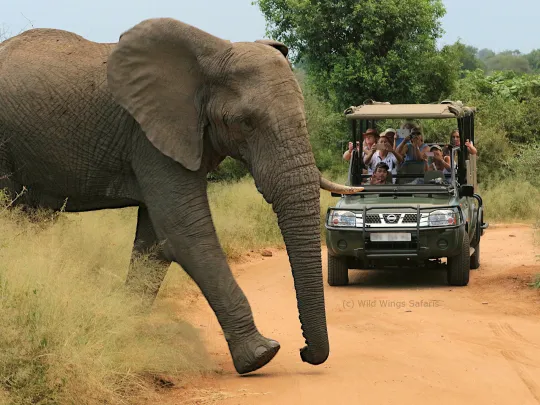
3 Day Kruger Park Safari
Our popular 3 Day Kruger Park Safari is designed for those who want a quick and affordable way to experience the incredible wildlife of the Kruger National Park in the company of an expert guide. With regular scheduled departures from Johannesburg or Nelspruit, custom departure dates and private departures can also be arranged on request. Book early to avoid disappointment!
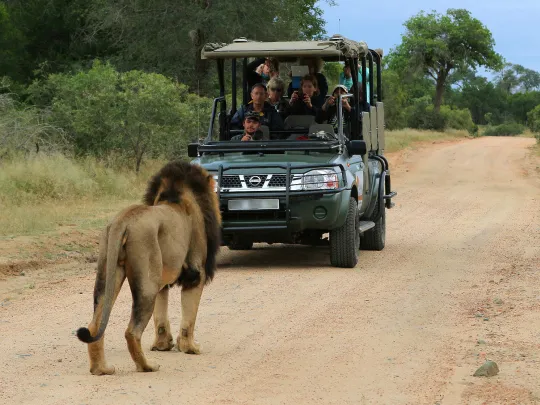
4 Day Kruger Park Budget Safari
Our 4 Day Kruger Park Budget Safari is a cost-effective yet authentic way to experience South Africa's most famous wildlife destination. This small-group safari departs regularly from Johannesburg or Nelspruit, offering expert-guided open-vehicle game drives and comfortable en-suite accommodation inside Kruger National Park. Book early to secure your spot!
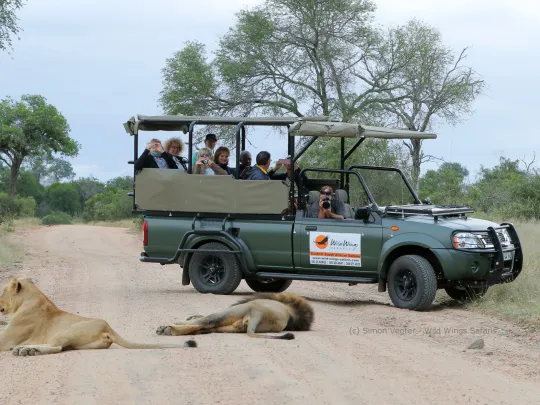
5 Day Best of Kruger Safari | Classic Big Five Adventure
Discover the ultimate Kruger National Park safari on this 5-day African safari, featuring open vehicle game drives, a guided bush walk, and an exciting night safari. Stay at two different camps in Southern Kruger Park, maximising your chances of spotting the Big Five—lion, leopard, elephant, rhino, and buffalo—as well as cheetahs, wild dogs, giraffes, zebras, and abundant birdlife. Whether you're looking for an affordable Kruger Park safari or a well-rounded Kruger Park tour, this is one of the best Kruger safari options available.
About the author

Dianne Kokkonidis was born in Johannesburg, grew up in the Transkei and spent years exploring Europe. She returned to South Africa to live on a farm in the Outeniqua Mountains when the call of Africa got too loud to ignore. She comes from a family of storytellers, so it's no surprise she's now found her way into writing about one of the oldest stories known to mankind - the lure of Africa.


