
What Is an African Safari Like? A Typical Safari Day Explained
Many first-time safari travellers imagine dramatic wildlife encounters, but fewer understand how a safari day actually works.
Unlike a typical holiday, a safari follows the natural rhythm of wildlife and climate. Early mornings and late afternoons are when animals are most active, while the heat of the day is usually reserved for rest, meals and relaxation at camp.
While no two days on safari are ever identical, most safaris follow a predictable rhythm designed to maximise wildlife viewing while still allowing time to unwind.
This guide explains what typically happens on safari, how game drives work and what a typical safari day looks like.
What Is an African Safari Day Like?
A typical African safari day revolves around wildlife activity and temperature. Most safaris include an early morning game drive, a relaxed midday break at camp or lodge, and a second game drive in the late afternoon or evening.
Understanding this rhythm helps travellers appreciate why safari days begin early and why the middle of the day is quieter.
A Typical Safari Day at a Glance
Most safari days follow a natural rhythm shaped by wildlife behaviour.
A typical safari day usually includes:
- Early morning wake-up call
- Sunrise game drive
- Breakfast or brunch at the lodge
- Midday relaxation or optional activities
- Afternoon high tea
- Late afternoon game drive
- Sundowner stop in the bush
- Dinner at the lodge or around the campfire
Every safari destination and lodge is different, but this basic structure is common across many African safari experiences.
Early Morning Game Drives: The Best Wildlife Viewing of the Day

Lion returning from the hunt in the early morning
Most safari days begin before sunrise, when wildlife is at its most active.
Predators such as lions and leopards are often still moving after a night of hunting, while antelope, zebra and buffalo begin their morning routines as temperatures remain cool.
Morning game drives usually start shortly before sunrise. Guests are typically woken with a gentle knock or wake-up call, followed by coffee or tea before heading out into the bush.
At this time of day, the landscape feels alive. Birds call across the savannah, tracks from the night before are still fresh, and guides begin interpreting signs such as alarm calls, spoor and movement patterns.
This early window is often the most productive time for wildlife sightings.
Why Safari Drives Start So Early
Predators hunt primarily at night and during the cooler hours of the morning. By mid-morning, many animals retreat into shade to conserve energy.
Starting early allows guides to track fresh activity and increases the chances of encountering predators before they settle down for the day.
Guests are often surprised by how quickly they adapt to early mornings once they experience the excitement of wildlife activity at dawn.
Richard from the UK, who travelled with us in July 2024, shared:
"Even the early starts were no problem due to the excitement of the day ahead! My 20-year-old son, who is not the best at getting up before midday, was up on time—just…!"
The promise of wildlife sightings has a remarkable way of turning night owls into early risers.
Good to Know
- Private reserves often allow more flexible start times for game drives.
- National parks operate according to fixed gate opening hours.
- Balloon safaris start even earlier, before sunrise, when winds are calm.
- Early mornings in the bush can be cold, so dressing in layers is important.
In Summary
The most productive wildlife viewing usually happens at dawn and late afternoon. Safari schedules are built around these activity patterns, which is why early morning game drives are a central part of the experience.
Mid-Morning: Breakfast and Time to Relax

Guided bush walk
After the morning drive, guests return to camp or the lodge for breakfast or brunch.
Meals on safari are often generous, with freshly brewed coffee, fruit, pastries and cooked dishes. Conversations naturally turn to the morning's sightings as guests compare stories.
As temperatures rise, the pace of the day slows down.
Many animals retreat into shade during the hottest hours. Lions sleep, elephants gather under trees, and the bush becomes quieter.
This is when guests relax.
Some spend the late morning:
- swimming in the lodge pool
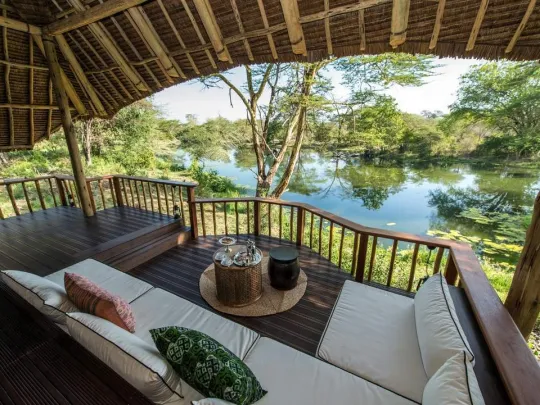
- reading on a private deck
- sorting through photographs
- enjoying spa treatments
Others prefer to stay immersed in nature by joining guided bush walks or birdwatching activities.
Guided Bush Walks
Walking safaris offer a completely different perspective on the wilderness.
Instead of focusing on large animals, guides interpret the smaller details of the ecosystem; tracks, insects, plants and animal behaviour that often go unnoticed during drives.
Many guests discover fascinating aspects of the bush they might otherwise miss.
Good to Know
- Not all lodges offer walking safaris.
- Walks may depend on season, terrain and wildlife conditions.
- Closed shoes and neutral-coloured clothing are recommended.
Afternoon: The Quiet Hours of the Day

Downtime at camp
Midday is typically the quietest time on safari.
Many animals remain inactive during the hottest hours, conserving energy in shaded areas.
Guests often use this time to relax or deepen their understanding of the environment. Some lodges have small libraries, media centres or guides available for informal discussions about wildlife and conservation.
Spending time speaking with a guide can be one of the most rewarding parts of the safari experience.
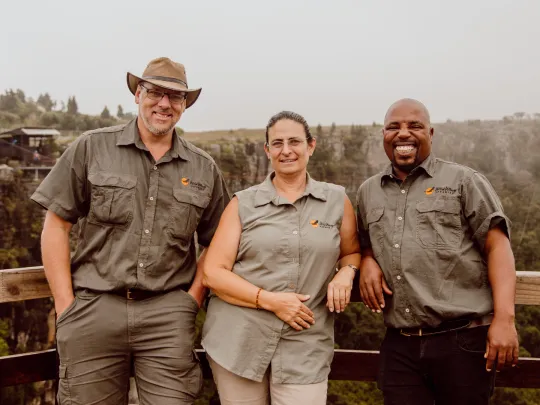
Guides live and breathe the bush. Their stories about tracking predators, interpreting animal behaviour and navigating the landscape often reveal insights far beyond what guests see during game drives.
Good to Know
- After a large brunch, many guests skip lunch.
- High tea is usually served later in the afternoon, before the next drive.
- Safari food is often a pleasant surprise for first-time travellers.
Afternoon High Tea and Preparing for the Evening Drive

Safari keeps the tradition of high tea alive
As the afternoon heat fades, guests gather for high tea before heading out again.
High tea typically includes light snacks, cakes, fruit and tea or coffee.
It is a relaxed moment to prepare for the afternoon game drive and discuss the possibilities of the evening ahead.
Temperatures can drop quickly after sunset, especially in winter months, so warm layers are often essential.
Afternoon and Evening Game Drives

The cherished sundowner tradition on safari
The late afternoon game drive offers a completely different perspective on the bush.
As temperatures cool, animals become active again. Giraffe, zebra and antelope emerge from shaded areas while nocturnal animals begin preparing for the night ahead.
The golden light before sunset, often called the "golden hour", creates beautiful conditions for photography.
Guides often stop for a traditional safari sundowner, where guests enjoy a drink while watching the sun set across the landscape.
This moment has become one of safari's most cherished traditions.
In Summary
Morning and afternoon game drives complement each other. Early drives focus on predators returning from the night's hunt, while afternoon drives reveal animals emerging again as temperatures cool.
Night Drives
In private reserves and conservancies, guides may continue with night drives after sunset.
Using spotlights, they search for nocturnal animals such as:
- porcupines
- bush babies
- aardvarks
- hunting leopards
These species are rarely seen during the day.
Dinner and Evenings at Safari Lodges

Dining beneath the African stars
Dinner on safari is often served in a boma, an open-air dining area centred around a fire.
Meals may be buffet-style, plated or à la carte depending on the lodge.
Guests enjoy local cuisine and wines while listening to the sounds of the bush around them.
Lions may roar in the distance. Hyenas call across the landscape. Hippos grunt from nearby rivers.
After dinner, many guests head to bed early in preparation for the next morning's drive.
Why Safari Days Follow This Rhythm
Safari days follow the rhythm of wildlife behaviour rather than human schedules.
Early mornings and late afternoons offer the best wildlife viewing, while the hottest hours of the day are usually reserved for rest at the lodge.
Once travellers experience this rhythm, the early mornings begin to make perfect sense.
Frequently Asked Questions About Safari Days
A typical safari day includes an early morning game drive, breakfast at the lodge, a relaxed midday break and a second game drive in the late afternoon or evening.
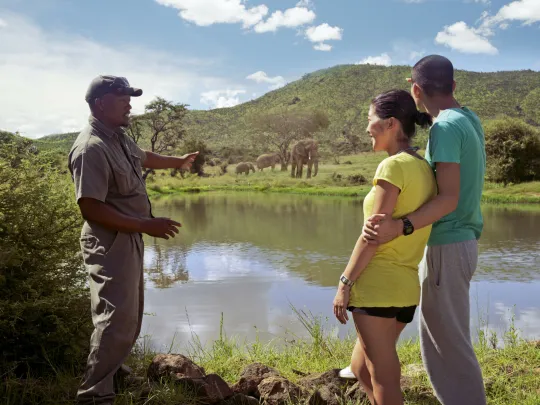
Game drives take place in open 4x4 safari vehicles led by professional guides. Guides interpret tracks, listen for alarm calls and follow wildlife movement patterns to locate animals.
Safari guides track wildlife, interpret animal behaviour, position vehicles safely and explain the ecology of the environment.
Safari lodges range from simple camps to luxury properties. Most include comfortable accommodation, excellent food and communal spaces where guests relax between drives.
Wildlife viewing relies on tracking skills, guide experience and communication between rangers. Many sightings occur by interpreting tracks, sounds or animal behaviour.
Ready to Experience Safari for Yourself?
Reading about safari life is one thing. Being there as the sun rises over the bush and the first tracks of the night reveal themselves in the dust is something else entirely.
If you're curious about planning your own safari, we'd love to help you explore the possibilities.
Start by telling us a little about what you have in mind; when you'd like to travel, where your interests lie, and the kind of experience you're hoping for. The more we understand about you, the better we can guide you.
Our UK office head, Magda Barnard, will personally assign you to a dedicated Africa Safari Specialist. That specialist will take the time to understand what excites you about Africa, whether it's tracking predators in Kruger, staying in a remote wilderness camp, or introducing your family to the magic of the bush for the first time.
From there, we'll craft a safari proposal tailored to you, with clear itineraries, transparent pricing and honest advice about what will work best.
We spend a lot of our lives in these landscapes, and helping others discover them is something we never take for granted. If a safari has been sitting quietly on your travel wish list, this might be the perfect time to start the conversation.
If you'd like help planning your own safari, we're here to guide you.
You may also want to look at

Smarter Safari Planning: Overlooked Details & Timing Tips — Part 1
Booking a safari? Don't overlook the key details that shape your experience. Start here with timing, destination choice, and logistics.

Smarter Safari Planning: Insider Tips, Hidden Costs & Guide Advice — Part 2
Maximise value and meaning from your safari with smart tips on itinerary pacing, hidden costs, and the crucial role of your guide.
How to Choose the Best Safari Destination - Part 1
Choosing a good safari destination is key to ensuring a great safari experience. But where do you start? With so many different safari destinations to choose from, how do you choose the right one for your safari? This is part 1 of a 2-part series.
How to Choose the Best Safari Destination - Part 2
In part one of this two-part series, we looked at selecting the best destination or game reserve for your safari. In part two, we will look at how to choose the best lodge or camp for your safari. Grab a coffee and enjoy the read!
The Most Important Secret to a Great Safari: The Guide (Part 1)
A safari can be average or exceptional for one reason: the guide. Guiding quality affects what you see, what you understand, and how safe and relaxed you feel, regardless of lodge budget or location. Part 1 shows what poor guiding looks like in practice, why it ruins otherwise good safaris, and what guests can do if they're unhappy. Updated: 21 Jan 2026

The Most Important Secret to a Great Safari: The Guide (Part 2)
A great guide doesn't just "find animals". They improve the whole safari experience: pacing, safety, interpretation, problem-solving, and how meaningful each sighting becomes. Part 2 shows what excellent guiding looks like in the real bush, and why it changes everything. Updated: 22 Jan 2026
About the author

Dianne Kokkonidis was born in Johannesburg, grew up in the Transkei and spent years exploring Europe. She returned to South Africa to live on a farm in the Outeniqua Mountains when the call of Africa got too loud to ignore. She comes from a family of storytellers, so it's no surprise she's now found her way into writing about one of the oldest stories known to mankind - the lure of Africa.


